The United States is one of the largest and most competitive mobile app markets in the world. With over 270 million smartphone users, launching a Flutter app targeting US users requires more than just clean code — it requires understanding user expectations, legal compliance, and platform standards specific to the American market.
In this guide, we walk you through everything you need to know to build, launch, and grow about How to Build a Flutter App for the US Market in 2026.
Why Target the US Market?
The US app market generates billions of dollars in revenue annually. American users spend more per app than almost any other country in the world. Whether you are building a SaaS tool, an e-commerce platform, a fitness app, or a productivity tool — the US market offers enormous monetization potential.
Key reasons to target the US market with your Flutter app:
- Highest average revenue per user (ARPU) globally
- Strong adoption of subscription-based app models
- Both Android and iOS have significant market share — making Flutter ideal
- Access to global payment platforms like Stripe, Apple Pay, and Google Pay

1. Understand US User Expectations
American users have high expectations for app quality. They expect fast load times, clean UI, smooth animations, and instant customer support. A laggy or poorly designed app will receive negative reviews quickly — and bad reviews in the US App Store or Google Play can kill your growth.
Key US user expectations:
- App must load within 2 seconds
- Clean, minimal design following Material 3 or Cupertino guidelines
- Clear onboarding — users do not read manuals
- Easy account creation — support Sign in with Apple and Google
- Push notifications done right — not spammy
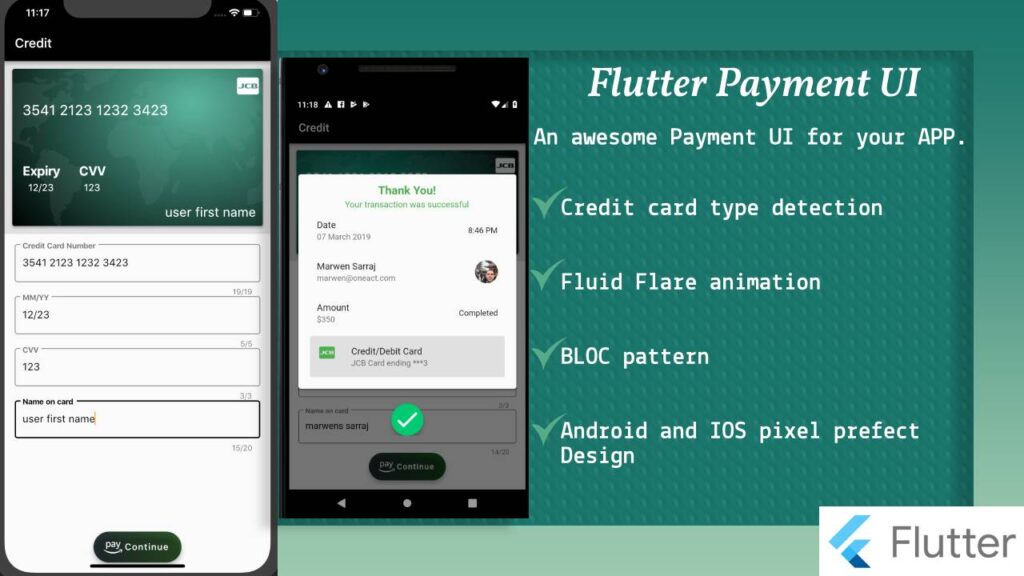
2. Payment Integration for US Users
US users are comfortable with digital payments. Integrating the right payment options is critical for monetization.
Recommended payment integrations for US Flutter apps:
- Stripe — most popular payment gateway in the US
- Apple Pay — mandatory for iOS apps targeting US users
- Google Pay — essential for Android users
- In-App Purchases — via
in_app_purchaseFlutter package for subscriptions
3. Legal and Privacy Compliance
The US has strict data privacy regulations that your Flutter app must comply with:
- CCPA (California Consumer Privacy Act) — if your app targets California users, you must provide a privacy policy and allow users to opt out of data collection
- COPPA — if your app targets children under 13, strict rules apply
- App Store Review Guidelines — Apple is stricter than Google; ensure your app meets all guidelines before submission
Always include a clear Privacy Policy and Terms of Service in your app — both Apple and Google require them.
4. App Store Optimization (ASO) for the US Market
Getting discovered in the US App Store and Google Play requires strong ASO:
- Use US English in your app title and description
- Target high-volume US keywords (use tools like AppFollow or Sensor Tower)
- Use localized screenshots showing US-friendly content
- Price your app in USD
- Respond to reviews quickly — US users appreciate fast support responses
5. Flutter Packages Recommended for US Market Apps
firebase_auth— for Google and Apple Sign-Influtter_stripe— for Stripe payment integrationin_app_purchase— for subscriptionsfirebase_messaging— for push notificationsurl_launcher— for deep linkingshared_preferences— for lightweight local storage
Conclusion
Building a Flutter app for the US market in 2026 is one of the smartest moves a mobile developer can make. Flutter's cross-platform capability means you cover both Android and iOS with one codebase — reaching the entire US smartphone audience without doubling your development cost.
Focus on quality, compliance, and user experience — and the US market will reward you.
Related Articles
- Android Developer vs Flutter Developer: Which Should You Choose in 2026?
- Flutter Developer vs Swift Developer: Which is Best for Your App?
- Flutter Developer vs React Native Developer: Full Comparison 2026
- How to Setup GitHub on Your MacBook and Upload Your First Project